Training load calculator
Relative effort calculator
Estimate the training stress score (TSS) for a session from its duration and how hard it felt.
Relative effort is a simplified method for estimating load when heart rate or power data is not available.
Estimated load = Duration (hours) × Relative effort² × 100
Relative effort ranges from 0.25 (very easy) to 1.50 (very hard).
When you don't have a power meter or heart rate monitor, or for activities where those tools don't really apply: strength training, yoga, hiking, a casual commute. It's less precise than TSS or HRSS, but logging something is better than logging nothing. If you've got a heart rate monitor, HRSS will give you a more accurate read.
Go by feel:
- Very easy (25%) - you could hold a full conversation
- Easy (50%) - comfortable, breathing slightly elevated
- Moderate (75%) - working but sustainable, talking in short sentences
- Threshold (100%) - hard, right at your limit for about an hour
- Hard (125%) - very uncomfortable, maybe 20-30 minutes max
- Very hard (150%) - near all-out, short bursts only
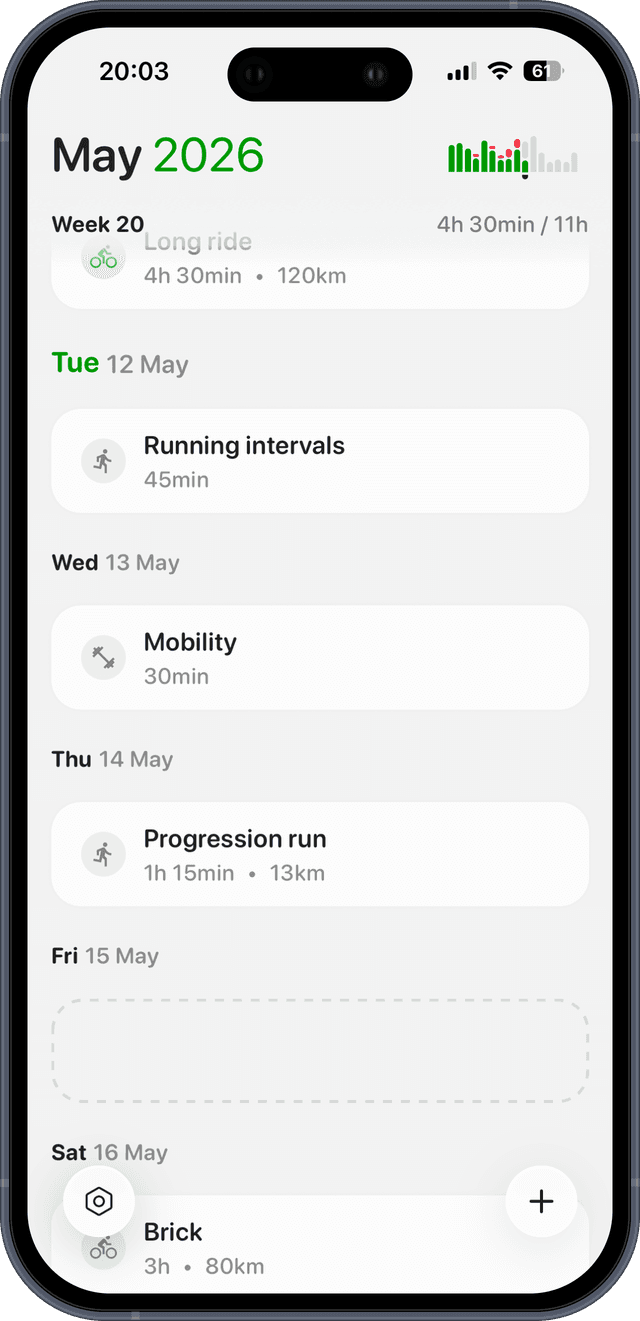
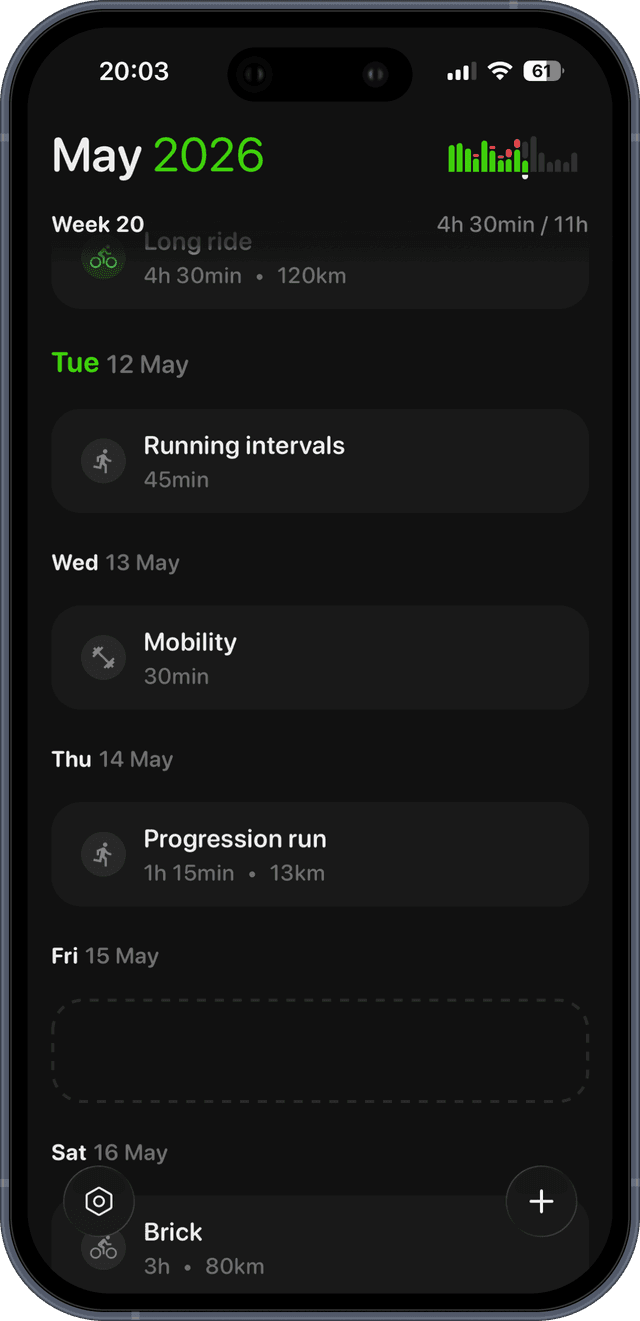
Yes. Describe a session in plain English like "45 min strength, moderate" or "30 min mobility, easy" and Shape Calendar schedules it with a relative-effort load score. Gym work, hikes and mobility days all show up alongside your runs and rides in the same calendar and load chart.
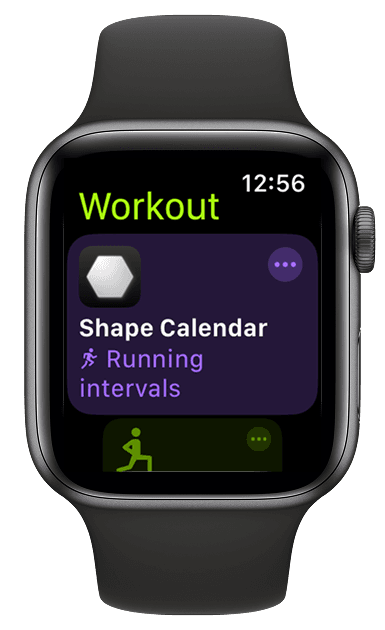
Even rough effort estimates add up to a useful picture if you log consistently. Shape Calendar supports TSS, HRSS and relative effort in the same calendar, so you can log a power ride on Tuesday, an HR-based trail run on Thursday, and a strength session on Saturday, and your weekly load still adds up correctly. Planned, completed, missed, all in one view.
Shape Calendar
Even your easy days should count.
Log strength, yoga, hikes or commutes with a quick effort estimate and watch your full weekly load come together.